I have written many times before about how AI is changing the landscape of marketing. It gives marketers the opportunity to reach more people while delivering personalized, relevant and timely content to them. Particularly interesting, is the use of AI in the retail industry. Many people fear that e-commerce giants threaten the existence of local retailers, but, brick-and-mortar stores aren’t dying, they’re simply evolving. The use of technology is enhancing customer connectivity and experience at every touchpoint, both online and in-store.
When Mckinsey interviewed Devin Wenig, President of eBay Marketplaces, about the transformation of retail, he said, “The death of the store has been greatly exaggerated. There will be a transformation, but not an end to it….You will see a fundamental restructuring of retail real estate—you will see distribution centers, local economies, technology-enabled shopping, and a very different approach toward how you engage with the consumer.”
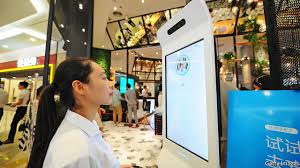
AI-enhanced technology is not only being used by marketers to engage with customers and draw them in; but is being used by sales associates to shape or enhance customers’ physical, in-store experiences, as well. Take, for example, the chocolatier and candy retailer, Lolli & Pops, who launched the use of Mobica facial recognition technology last year to deliver a more personalized in-store experience to its VIP customers.
How? Customers that opt in to the loyalty program will walk into a store where a camera recognizes their face and sends that information to the app of one of Lolli & Pops’ “Magic Makers” – a sales associate who is then able to access the customers’ unique taste profile, preferences, purchase history, allergies, and more – so that individualized product recommendations can be made. I liken this to Amazon’s recommendation system, which more often than not lets me know about additional items I didn’t even know I wanted or needed (yet end up purchasing).
“While from the merchant standpoint incredible selection may seem great, from the consumer standpoint it can be overwhelming. I actually don’t want to shop in a store with a billion items for sale, I’m just looking for this. Data is the way to connect a long-tail advantage with consumers that oftentimes want simplicity,” .

 Perth Tech Blog